
- Preoperative Glycemic Optimization and Risk Assessment: With HbA1c at 12, surgery should ideally be delayed to allow for better control through medication, diet, and monitoring to reduce complication risks—aim for HbA1c <8% before proceeding, as high levels correlate with implant failure and poor outcomes. Screen for diabetes-related issues like cardiovascular disease or neuropathy that could affect sedation tolerance.
- Perioperative Glucose Monitoring and Management: Frequent blood glucose checks (pre-, intra-, and post-op) are essential to maintain levels between 140-180 mg/dL, avoiding extremes that could lead to ketoacidosis or hypoglycemia during sedation. Adjust insulin/orals accordingly, and consider stress from the procedure spiking sugars.
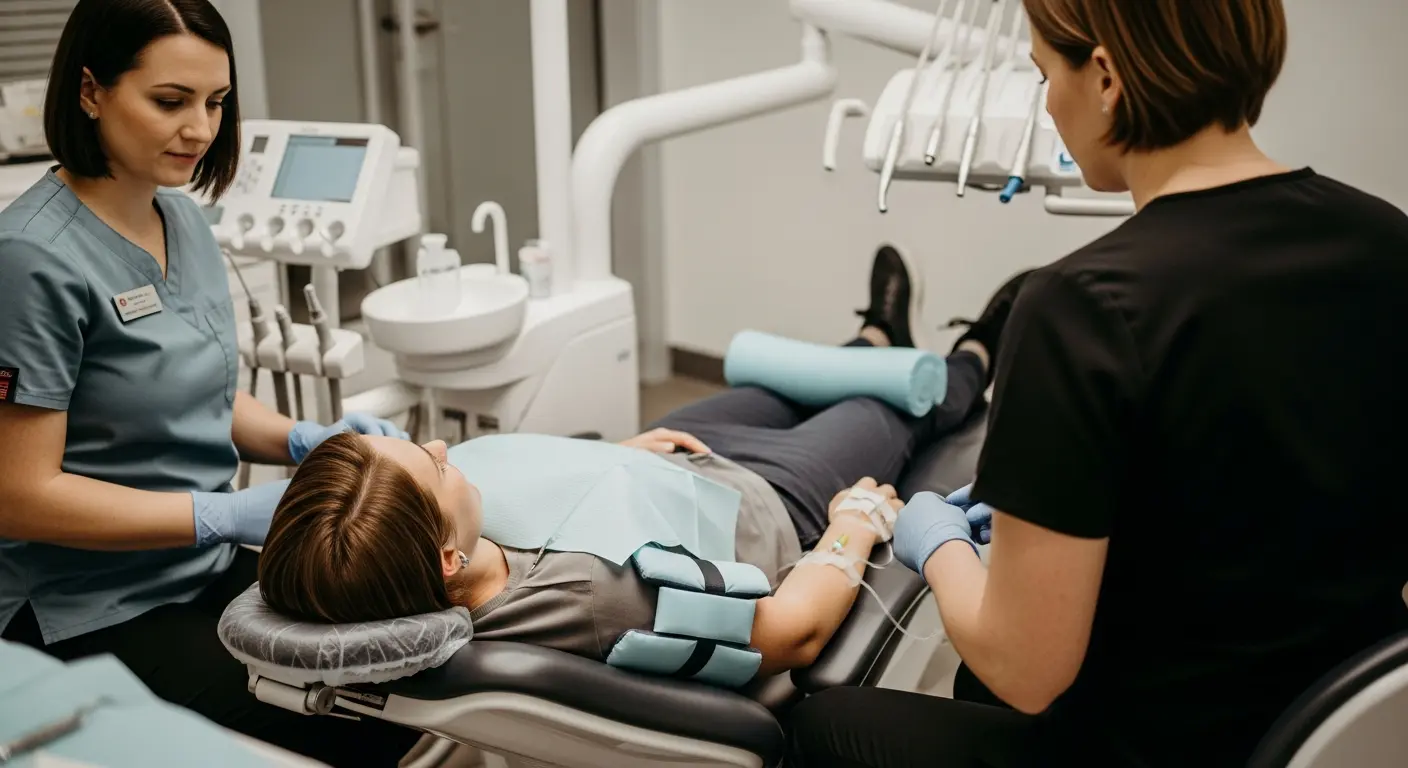
- Choice and Safety of Sedation/Anesthesia: For oral or IV sedation (e.g., midazolam or propofol), prefer agents that minimize glucose fluctuations—IV anesthesia may better stabilize blood sugars than inhalation types. Use local anesthetics with epinephrine cautiously (e.g., 1:100,000 lidocaine) in controlled cases, but monitor for hemodynamic instability due to autonomic neuropathy. Dexmedetomidine could provide stable sedation for lengthy procedures.
- Infection Prevention and Wound Healing Risks: High HbA1c increases infection susceptibility and impairs osseointegration for implants, so prophylactic antibiotics (e.g., amoxicillin) and strict asepsis are crucial. Postpone if uncontrolled to avoid peri-implantitis or extraction site complications.
- Management of Comorbidities and Stress Reduction: Assess for associated conditions like heart disease, which may impact anesthesia tolerance. Schedule early morning to reduce fasting-related hypoglycemia risk, and minimize stress (e.g., via premedication) to prevent glucose spikes.